


Hyderabad air quality map
Live air pollution map of Hyderabad • 243.4K Followers • 11:30, Oct 22 Local time

Stations
Clean Air Facilities
Contributors

Government
0
Diplomatic
0
Non-profit
0
Education
0
Corporate
1
Healthcare
0
Hospitality
0
Individual
0Top contributors in Hyderabad
Who is sharing outdoor air quality data in Hyderabad?
#
Contributor
Followers
1
Plane Software, Inc.
Corporate
Featured station
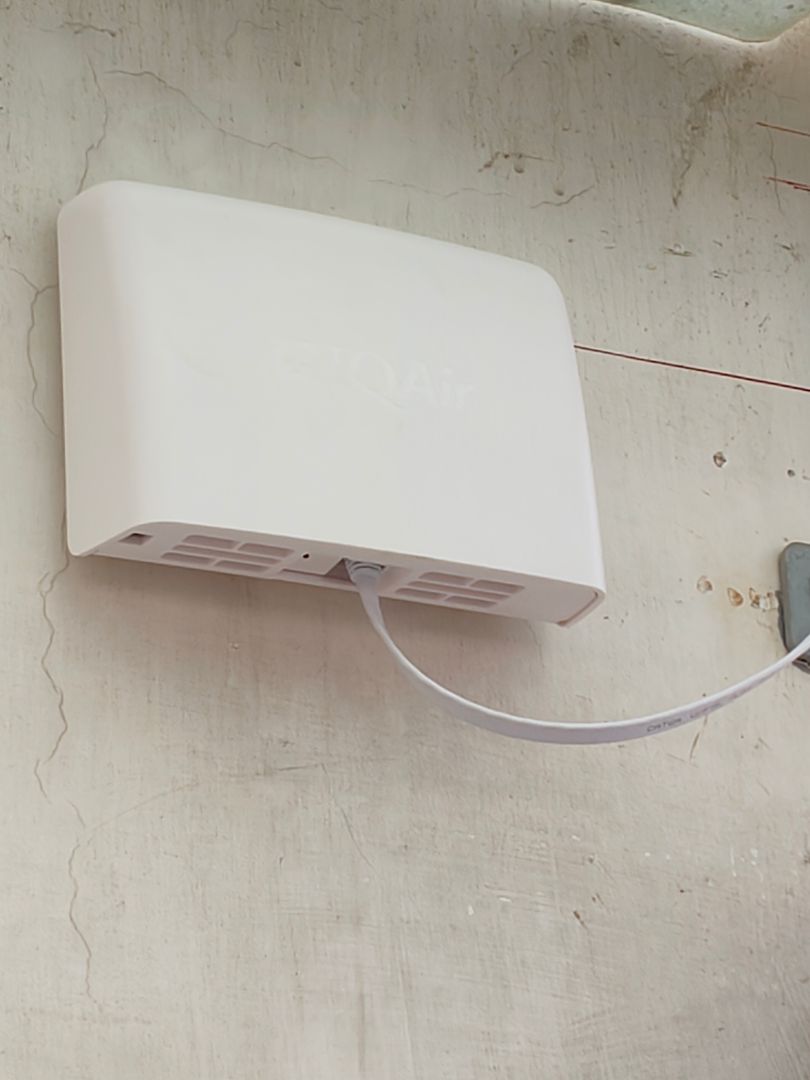
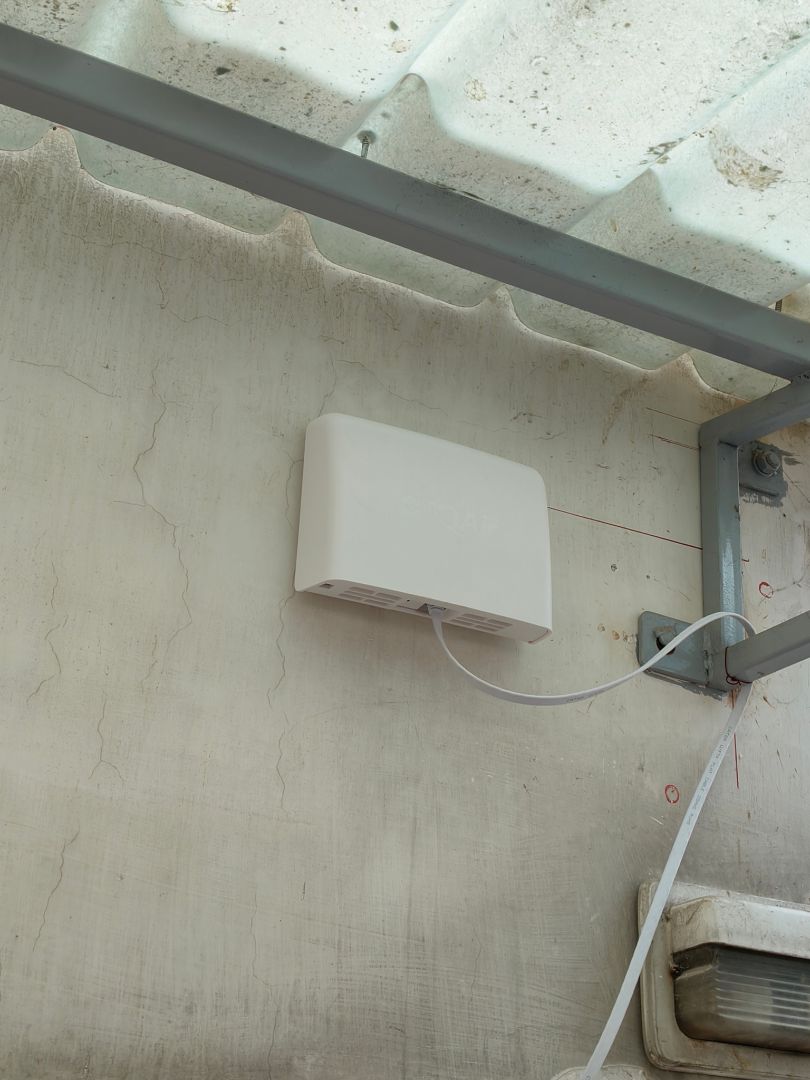
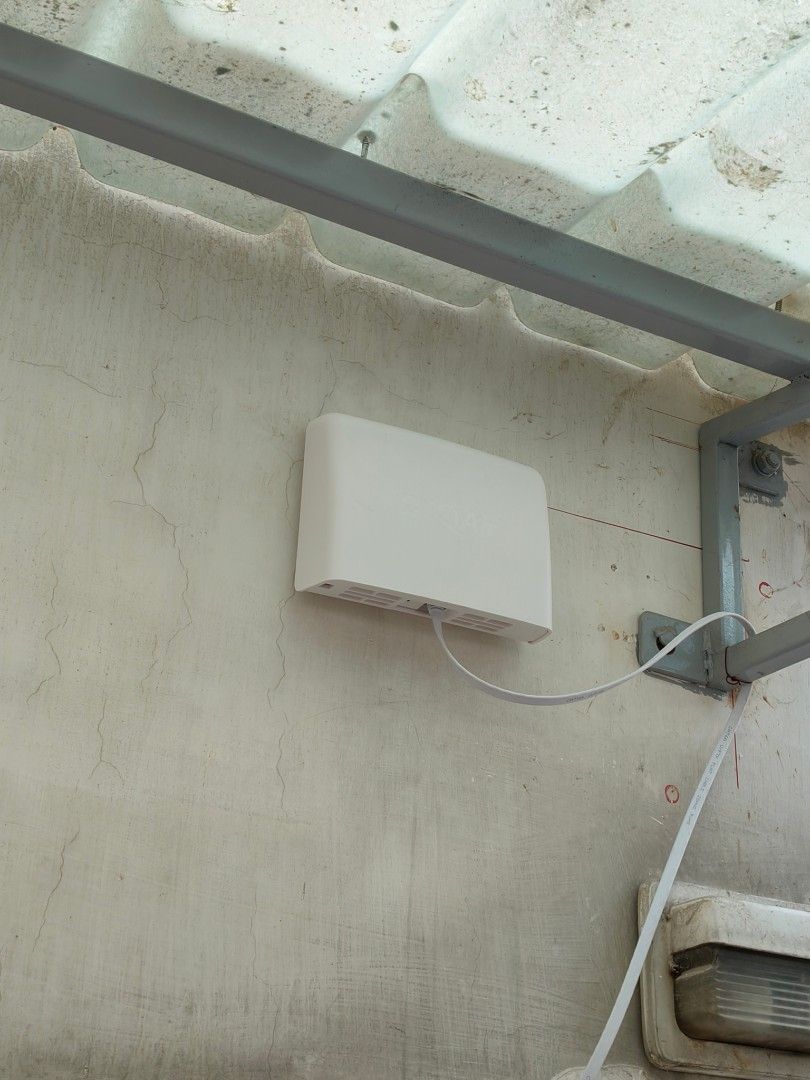
Discover some of the best station installation in Hyderabad
Station gallery

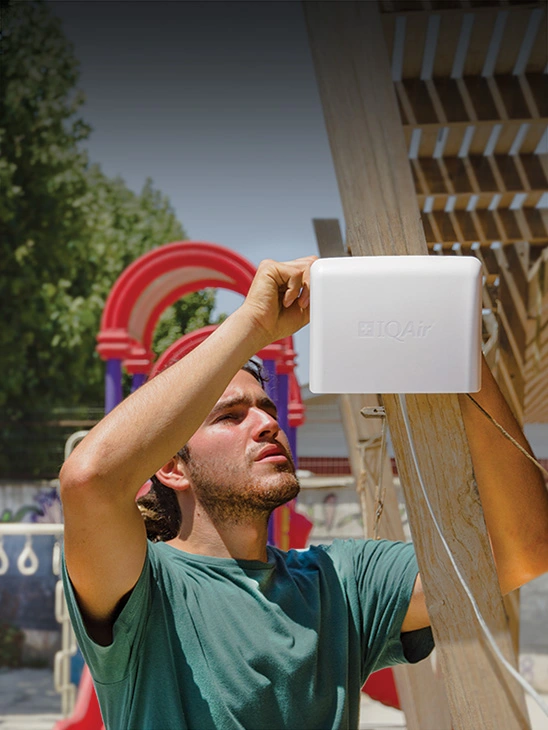
Plane, Hyderabad
164
Newest stations deployed in Hyderabad
AQI⁺ station ranking



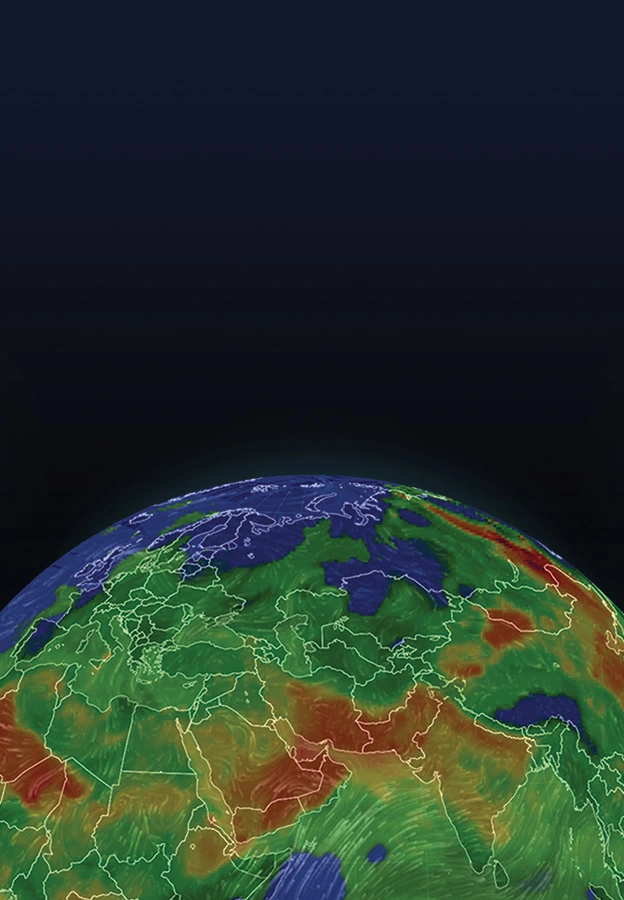
Learn more about global air quality


Learn more about air pollution in Hyderabad
Is Hyderabad a polluted city?
Hyderabad is the capital city of the state of Telangana and of the fourth most populated city in India with an estimated population of 6.9 million residents within the city limits and a further 9.7 million with the metropolitan area. These figures are from 2011 so they will be much larger now. There has been a sharp increase in air pollution because of rapid urbanisation and increased economic activity. All pollution is controlled by the Telangana Pollution Control Board who reported that in 2006 the main source was 20-50per cent from vehicles, 40 – 70 per cent from vehicle exhausts and road dust, 10-30 per cent from industrial discharge and the remaining percentage from the incineration of household rubbish. According to the IQAir website, the 2019 ranking for Hyderabad was 249 with an average figure of 39 µg/m³. (68th most polluted city in India). A marked improvement on the previous year when the figure was 44.2 µg/m³ which itself was an improvement on the 2017 figure of 51 µg/m³. This reduction is making it a safer and healthier place for people to live. The subway system carries an average of 2.3 million people every day which accounts for a reduction in personal vehicle usage. The system has recently been extended by 56 kilometres. The use of Electric Vehicles (EVs) will ultimately be the answer to most cities’ problematic air pollution, but they can be very expensive to buy and therefore out of reach to so many poorer people who rely on their old motorbike for their daily commute. Hybrid buses are already seen on many city roads which contribute towards cleaner air.
What are the main pollutants found in Hyderabad?
As with any large city, the main cause of pollution within the city centre is vehicles. Sulphur dioxide (SO2), nitrogen oxides (NOx), carbon monoxide (CO) and carbon dioxide (CO2) were the main chemicals discovered in the air. Particulate matter was also recorded in four measurable sizes PM2.5. PM10, black carbon (BC) and organic carbon (OC). These findings came from many sources including the central pollution control board, state pollution control board and the census bureau to name but a few.
The burning of organic matter, such as straw, in the surrounding rural areas also contributes to the poor air quality as does the use of biomass stoves in households. These stoves have been the traditional way of cooking for generations and as such will prove a difficult habit to break. Household rubbish or garbage is often burnt as a way of disposing of it. Some religions encourage ceremonious burning of items too.
What are the possible effects on the health of Hyderabad’s air pollution?
Air pollution is known to cause many health issues primarily affecting the respiratory tracts. Long term exposure to contaminated air can lead to serious problems. The small particulate matter or PM2.5 is particularly hazardous because it penetrates deep into the lung tissue and eventually lodges in the alveoli. These are the tiny air sac located at the base of the bronchial tubes. From here they can migrate through tissue before ending up in the heart.
The exhaust gases from automobiles are as such that when mixed with water produce acid. This acid rain falls and damages buildings and statues and anything else that it falls on. Plants and trees are not immune to its effects and can wither and die if subjected to heavy concentrations. Generally, petrol-driven cars produce 120 grams of CO2 for every kilometre driven. Diesel driven cars are even worse by producing 132 grams per kilometre. The fitting of catalytic converters to the exhaust system considerably reduces the dangerous fumes. Most modern vehicles are fitted with them, as standard.
How can air pollution be reduced in Hyderabad?
Records show that 87 per cent of the population own a vehicle of some sort, whether it’s a car or a motorbike. Some larger families own multiple vehicles as well. Pollution control will be almost impossible to control if all these vehicles are allowed free range of the city. All residents are openly encouraged to leave their vehicle at home for at least two days each week and use public transport. At junctions controlled by lights, drivers seldom turn off their engine whilst waiting for the lights to change. This obviously increases the pollution around those busy intersections. This is the main reason as to why acid rain is formed in these congested areas. Drivers are encouraged to switch off their engines whilst waiting. Some of the newer motorbikes do this automatically, but many of the bikes on the roads of Hyderabad are much older and therefore do not have this feature as standard.
How do people cope with this situation?
There are many ways of checking on the quality of air in your city. The best site to visit is iqair.com for the latest figures. More and more people are aware of the problems caused by breathing in bad air and are actively doing something about it.
Try to avoid exercising outside when the air pollution figures are high. Consider using an indoor exercise machine or go to the local shopping mall and walk around in relative comfort. Always avoid exercising near congested roads where the level of exhaust emissions is very high. These fumes can pollute the air for up to one-third of a mile away.
Try to use less energy whilst at home. Generating electricity produces air pollution so by reducing your usage, you can help improve the air quality and save some money .too. Where possible, consider using public transport instead of your private vehicle. Walking, cycling or carpooling will also help.
Many people are looking at ways of living with poor air quality, whether it is from the smog in Delhi or an unexpected change in wind direction bring with it factory pollutants from the industrial estate.
The wearing of a face mask is an obvious solution when travelling outside. If the problem is causing concern within your own home, then look at the possibility of an air purifying system, which will benefit the whole family.