


Tijuana air quality map
Live air pollution map of Tijuana • 12.5K Followers • 10:00, Oct 06 Local time




Stations
Clean Air Facilities
Contributors

Government
2
Diplomatic
0
Non-profit
0
Education
0
Corporate
0
Healthcare
0
Hospitality
0
Individual
14Top contributors in Tijuana
Who is sharing outdoor air quality data in Tijuana?
Newest stations deployed in Tijuana
AQI⁺ station ranking
Newest stations




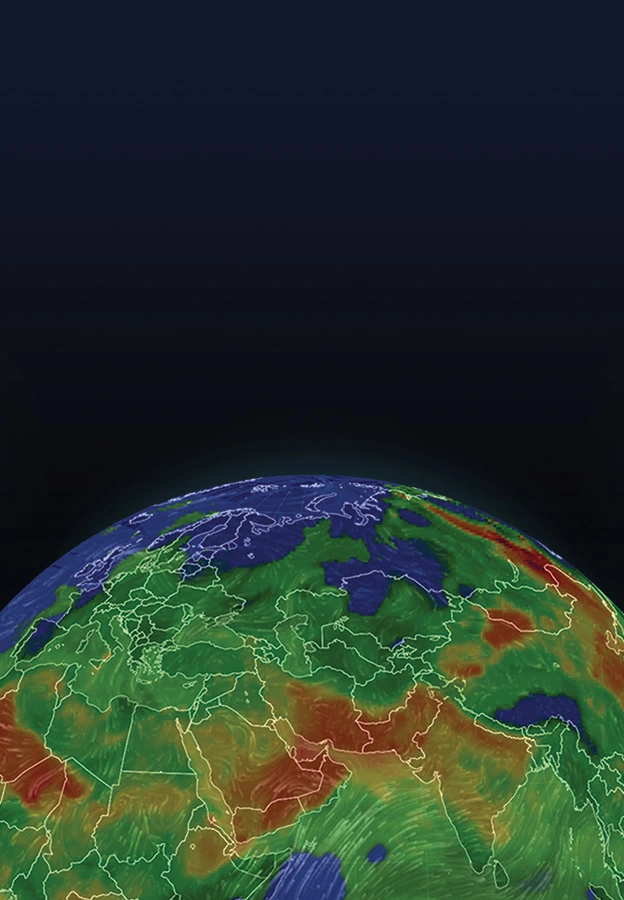
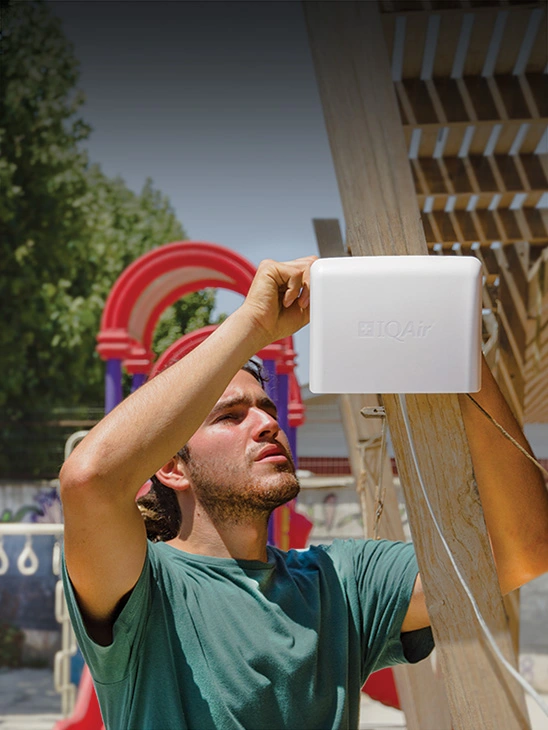
Learn more about global air quality


Learn more about air pollution in Tijuana
What is the current level of air pollution in Tijuana?
Tijuana is a city in Baja California, Mexico. It is the second largest city in Mexico and an important migration hub due to its proximity to the USA.
According to a census which was conducted in 2016, Tijuana had an estimated population of approximately 1.84 million people. Its metropolitan region has a population of 5.1 million people.
Towards the middle of 2021, Tijuana was experiencing a period of “Good” quality air with a US AQI reading of just 29. This United States Air Quality Index is a globally recognised system that allows the comparison between different locations using the same metrics to get a true idea. Usually, data is collected about the six most common air pollutants and this US AQI number is calculated from there. However, if figures for all six are not available, the number can still be calculated using what figures there are. In the case of Tijuana, only PM2.5 was recorded which was 7.1 µg/m³.
Although no amount of polluted air is safe, at a level such as this, there will be no problem in opening doors and windows to let some fresh air into the building. All forms of outdoor activity can be freely enjoyed without undue worry.
Does the air quality in Tijuana deteriorate at other times of the year?
Air pollution can be very volatile and, as such, can change very quickly depending on many variables, such as wind speed and direction and the strength of sunlight.
Looking back at the figures published by the Swiss air monitoring company IQAir.com for 2020 it can be seen that Tijuana experienced “Moderate” air quality for 11 months of the year from February until the end of December with figures between 12.1 and 35.4 µg/m³. This figure is quoted in micrograms/microns per cubic metre. For the month of January the classification slipped down into the “Unhealthy for sensitive groups” category with a reading of 46.1 µg/m³.
There were no records kept before 2020 with regards to air quality so the 2020 annual average was the first at 26.1 µg/m³. This may not be a truly accurate figure because of the COVID-19 pandemic. Many private vehicles were unused as their drivers were furloughed because they did not need to commute to the office on a daily basis. There were many non-essential factories and production units temporarily closed in an attempt to prevent the spread of the virus.
What are the main sources of air pollution in Tijuana?
Air pollution in Tijuana is one of the most important environmental problems, and it is the result of human activities. The causes that originate from this contamination are diverse, but the highest index is caused by industrial, commercial, domestic and agricultural activities. It also occurs for some of the following reasons: Re-sale of used cars of American origin, increasing air pollution. The relocation of the furniture industry from Los Angeles to Tijuana, where glues and solvents are used. Cruise ships of origin in the United States, are floating cities of pollution.
The development of population centres promotes a greater demand for services (such as transport, water, electricity and its associated infrastructure) that generates, in turn, a greater generation of waste and the emission and concentration of pollutants into the atmosphere.
Can anything be done to improve the air quality in Tijuana?
Measurements are carried out through an application called Redspira created by entrepreneurs from the state capital in December 2018. A compact air quality sensor was developed that allows real-time transmission of air quality over the internet. A proposal was put forward for the location of two of these sensors in Tijuana to begin measuring air quality, although the goal is to install 50 to know exactly what pollutants are in the air.
Air quality monitoring systems are an important source of information that allows knowing the concentrations of pollutants to which society is exposed and supporting the design of public policies to reduce their impact on health.
What detrimental effects on human health does the air in Tijuana have?
According to the World Health Organisation (WHO), in 2012 air pollution was responsible for 3.7 million deaths on the planet (11 per cent from chronic obstructive pulmonary disease, 6 per cent from lung cancer; 40 per cent from ischemic heart disease, 40 per cent from stroke, and about 3 per cent from acute respiratory infection).
In addition to the effects on people's health, air pollution also affects forests and aquatic ecosystems, due to the presence of pollutants such as nitrogen and sulphur oxides, which are produced by the burning of fossil fuels and which, when combined with the water present in the atmosphere, they cause the phenomenon known as acid rain.
It is recommended that older adults, children under 5 years of age, and patients with respiratory problems such as asthma wear face masks to avoid medical complications. Although Tijuana is not yet in an environmental crisis, it is not common for the city to have very high levels of microparticle concentration in the atmosphere.
The main effects of air pollution on health range from alterations in lung function, heart problems and other symptoms and complaints to an increase in the number of deaths, hospital admissions and visits to the emergency room, especially due to respiratory and cardiovascular causes.
PM affects more people than any other pollutant and its main components are sulphates, nitrates, ammonia, sodium chloride, coal, mineral dust, and water. PM consists of a complex mixture of liquid and solid particles of organic and inorganic substances suspended in the air. Particles are classified according to their aerodynamic diameter into PM10 (particles with an aerodynamic diameter less than 10 µg/m3) and PM2.5 (aerodynamic diameter less than 2.5 µg/m3).
The latter poses a greater danger because, when inhaled, they can reach the peripheral areas of the bronchioles and alter the pulmonary gas exchange.
Sulphur dioxide is a colourless gas with a pungent odour that is generated by the combustion of fossils (coal and oil) and the smelting of sulphur-containing ores. The main anthropogenic source of sulphur dioxide is the burning of sulphur-containing fossils used for domestic heating, electricity generation and motor vehicles.
Where is the cleanest air quality in Tijuana?
- 22666 Portico de San Antonio18
- Arco 10243
- Subdelegacion Salvatierra49
- Av del Agua50
- Av. Sanchez Taboada52
- International Border57
- Av. Transpeninsular 33-2359
- Presa Abelardo L. Rodriguez60
- Av. Alberto Aldrete 8333-828563
- Cvln. Tomas Aquino 2566
- Ruta Independencia66
- Cam. Vecinal67
- Cd Industrial68
- Laboratorio De Calidad Del Aire70
- Av. de los Maples El Refugio73
- N/A84
- La Mesa87