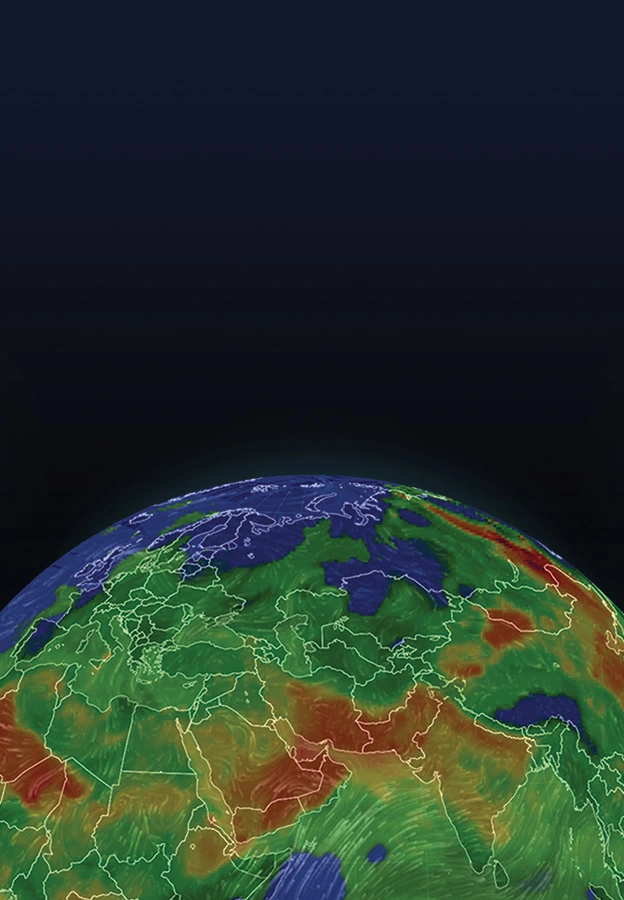
Bahawalpur air quality map
Live air pollution map of Bahawalpur • 29.8K Followers • 12:00, Apr 17 Local time
Stations
Clean Air Facilities
Contributors
Government
1Diplomatic
0Non-profit
1Education
0Corporate
2Healthcare
0Hospitality
0Individual
2Top contributors in Bahawalpur
Who is sharing outdoor air quality data in Bahawalpur?
Featured station
Discover some of the best station installation in Bahawalpur
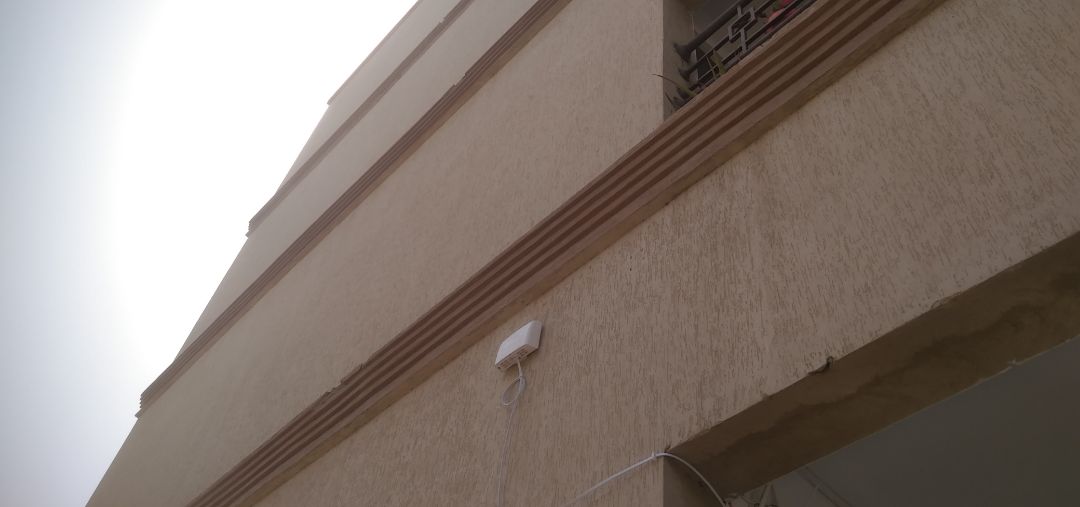

Station gallery

Bahawalpur Sadiq Colony B, Bahawalpur
129
Newest stations deployed in Bahawalpur
AQI⁺ station rankingNewest stations
Learn more about global air quality
Learn more about air pollution in Bahawalpur
What is the level of air pollution in Bahawalpur?
Bahawalpur is a city located in the Punjab province of Pakistan. It is the 11th largest city in Pakistan by population according to the 2017 census with a population of over 750,000.
It is situated at the edge of the Cholistan Desert and acts as the gateway to the nearby Lal Suhanra National Park. In its early days, Bahawalpur was known as a trading post because of its location on the main route from Afghanistan and central India.
At the start of the second quarter of 2021, Bahawalpur was experiencing a period of “Unhealthy” air with a US AQI reading of 165. This classification is in accordance with recommendations from the WHO (World Health Organisation). The recorded concentration of PM2.5 was 82.4 µg/m³.
It is ill-advised to open windows and doors in order to prevent the ingress of polluted air into the home. All forms of outdoor exercise should be avoided until the air quality improves, and those of a sensitive disposition should invest in some top quality masks to prevent inhaling the pollutants.
This high reading ranked the city in second place, after Sahiwal in the Punjab as the most polluted city in Pakistan. The cleanest city in tenth place was Multan which is also in the Punjab with a low reading of just 25.
Does the level of pollution vary throughout the year in Bahawalpur?
Looking back at figures from 2020 which have just been released on the IQAir website it can be seen that the air quality differs with the seasons. The worst 2 months of the year are November and December when the figures indicated that Bahawalpur was going through a period of “Very unhealthy” air with recorded levels between 150.5 and 250.4 µg/m³. January, February and March, together with May and October recorded “Unhealthy” levels between 55.5 and 150.4 µg/m³.
The months of April, June, July and September registered levels that are classed as being “Unhealthy for sensitive groups” with figures between 35.5 and 55.4 µg/m³. The month showing the best quality air was August when “Moderate” levels were recorded with a figure of 31 µg/m³.
What are the sources of the polluted air in Bahawalpur?
As is often the case with so many developing cities throughout the world, two of the main sources of air pollution come from the emissions from vehicles and from industrial processes. Thousands of smoke-emitting vehicles which are already in a semi-dilapidated condition used to come on roads, increasing carbon dioxide (CO2) levels in the air. Many of the vehicles using Pakistan’s roads are old vehicles that are no longer wanted in their country of origin due to their highly pollutive qualities. Because of this, they are usually a lot cheaper than newer vehicles and can therefore be bought by these developing countries.
The use of biogas for kitchens, power generation, the construction industry, burning of garbage and burning of stubble annually. Traffic is a major contributor to Pakistan's fast-growing PM2.5 emissions.
Pakistan has blamed its neighbour, India for the increase in air pollution, especially in the border areas. They say it is smoke emanating from India’s thermal power stations and from smoke produced by burning crop residue before the next season’s crop is planted.
What can be done to improve the air quality in Bahawalpur?
The government is actively encouraging foreign investment with regards to the introduction, assembly and use of electric vehicles.
The opening up of the China-Pakistan Economic Corridor will enable access to the Pakistan EV market for all Chinese manufacturing companies. This is not just for passenger cars but many types of electric vehicles and associated products, such as lithium batteries.
In 2020, a deal was signed between China’s Skywell Automobile and Pakistan's Daewoo Express to introduce electric buses in Pakistan. In the beginning, the Chinese company will provide the vehicles but it is part of the deal that eventually Pakistan will get the technology that will enable them to manufacture their own.
There are also electric motorbikes, rickshaws and bicycles to be considered as modes of clean transport in the future.
What are the health hazards associated with polluted air?
South Asia has the highest number of abortion incidents globally and is the most polluted region in the world with regards to PM2.5. Studies have concluded that poor air quality increases the risk of miscarriage in the area.
During pregnancy, we take care of all the precautions such as eating, eating, sitting, activity etc. Due to this, the health of the pregnant woman as well as her baby remains good, but if you are not breathing pure air despite taking all these precautions, then it can be a matter of concern for both mother and unborn child. We are talking about air pollution, in which breathing can have a bad effect on the pregnant woman and her baby. According to the 'US Air Quality Index' on 30th November 2020, Lahore city of Pakistan is number one in the list of the most polluted cities in the world, while Delhi is the capital of India in the second place.
Not only this, but people living in other cities in the country are also struggling with the problem of air pollution.
Air pollution comes in many forms. This is usually due to nitrogen dioxide, sulphur dioxide, exhaust fumes, smoke, dust and chemical from the factory air. Exposure to it can cause respiratory diseases such as coughing, wheezing, eye and sinus irritation, bronchitis, asthma and emphysema. Severe fatigue decreased lung capacity and shortness of breath can also occur as can damage to the lungs and heart and fatal diseases such as cancer. It has the most effect on pregnant women, children, infants and the elderly.
There have been many types of research that have shown that polluted air is a serious risk for pregnant women and their children. Prolonged exposure to polluted air increases the risk of miscarriage in some cases. If a pregnant woman breathes in polluted air on a regular basis, then its direct effect can be seen on her pregnancy. Many children are born prematurely every year due to air pollution. Apart from this, he may also be at risk of diabetes, heart-related diseases and high blood pressure. Many researches have confirmed that breathing in polluted air makes a difference in fertility in both women and men.
Where is the cleanest air quality in Bahawalpur?
- Public health engineering department80
- Wheat Section RARI office80
- Yousaf Garden near Qatalmara Road83
- PHA Bahawalpur85
- Khakwani colony near Darbar Mahel95
- DHA Bahawalpur104
- Bahawalpur B119
- Quaid-e-Azam Solar Power 100MWp122
- Bahawalpur Sadiq Colony B129
- IUB (Khawaja Fareed Campus) Bahawalpur157
- IUB (Baghdad Campus) Bahawalpur164