


Lam Luk Ka air quality map
Live air pollution map of Lam Luk Ka • 478.3K Followers • 13:00, Oct 09 Local time


Stations
Clean Air Facilities
Contributors

Government
0
Diplomatic
0
Non-profit
1
Education
1
Corporate
1
Healthcare
0
Hospitality
0
Individual
2Top contributors in Lam Luk Ka
Who is sharing outdoor air quality data in Lam Luk Ka?
Newest stations deployed in Lam Luk Ka
AQI⁺ station ranking
Newest stations




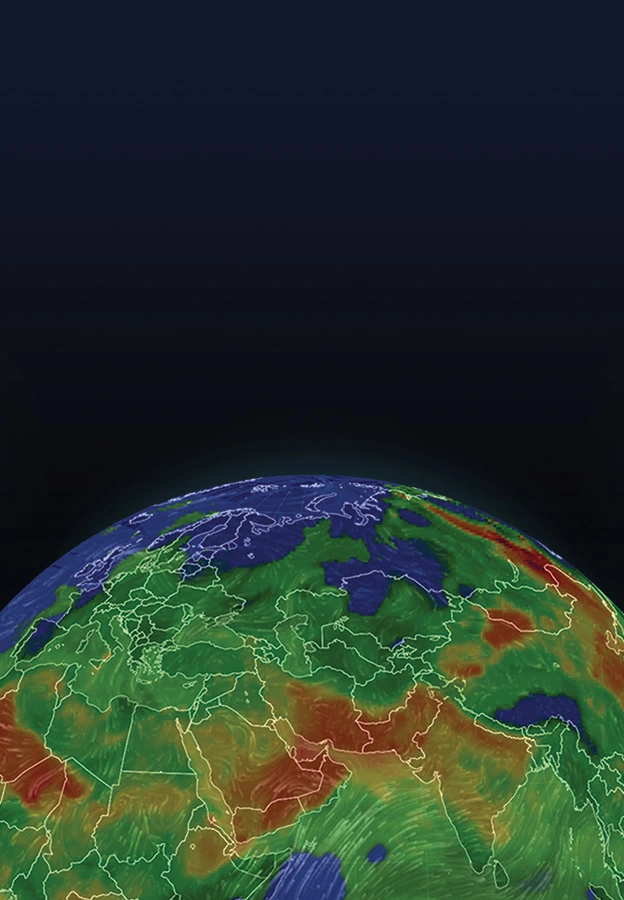

Learn more about global air quality


Learn more about air pollution in Lam Luk Ka
Why is the air in Lam Luk Ka polluted?
Lam Luk Ka has shown some elevated levels of pollution, with some high readings of PM2.5 having been recorded over the course of 2020. PM2.5 refers to ultrafine particulate matter that is 2.5 micrometers or less in diameter, also going down to sizes many times smaller. It is this property that lends itself to making PM2.5 one of the most dangerous forms of air pollution in Lam Luk Ka and throughout Thailand, along with the variety of sources that it is produced from. Everything from the combustion taking place in car engines, to factory boilers and other industrial processes, as well as forest fires or slash and burn farming practices (which are more highly prevalent in the northern regions of Thailand but still affect many cities throughout the country) all add to its prevalence. Hence, it is used as a prominent measure of air quality and will be cited at the end of the article regarding which months showed themselves to be the most polluted in times past.
Looking at the air quality readings taken in mid to late 2021, it can be seen that Lam Luk Ka is also subject to somewhat elevated figures of air pollution. US AQI is used to demonstrate what level of air pollution is taking place, with US AQI itself being a number that is aggregated from the main pollutants that are found in the air in Lam Luk Ka. These include ozone, nitrogen dioxide, carbon monoxide and sulfur dioxide, along with the two main forms of particle pollution, the aforementioned PM2.5 as well as its larger or coarser counterpart, PM10. PM10 can irritate exposed mucous membranes such as the eyes, ears nose and mouth, as well as causing dry coughs or chest pain to occur, but it remains far less dangerous than PM2.5, with the size difference determining the danger (along with the variety of materials that PM2.5 is made up of also determining how dangerous inhalation of said particles can be).
In early September of 2021, Lam Luk Ka was seen with US AQI readings of 65, a reading that placed it into the 'moderate' rating bracket for that particular day and time in which it was taken. This rating bracket is color-coded as yellow, as with each rating, there is a subsequent related coding system in use throughout the various air quality maps, graphs and forecasts, used on both this page as well as throughout the IQAir website, for ease of reference when observing the air quality levels. A 'moderate' air quality rating requires a US AQI reading of 51 to 100 to be classed as such, and whilst it does not present a significant risk to the general public, mild respiratory irritation may start to present itself amongst certain people, particularly those that fall into the more vulnerable or at-risk demographic.
Other readings present in the same period (August through to September of 2021) were figures such as 72 and 75, both being the highest numbers over this time frame, as well as lows of 28 and 25, which would place Lam Luk Ka into the 'good' air quality rating bracket for those given days. As such, it can be said that in this time, the air quality was more optimal and presented less of a danger to its inhabitants. However, past records have shown that as the burning season approaches, the US AQI and PM2.5 levels can spike rapidly, and as such many preventative measures may need to be taken by individuals living in Lam Luk Ka, as well as surrounding areas.
What are some of the main reasons behind polluted air in Lam Luk Ka?
The main reasons behind higher levels of air pollution in Lam Luk Ka are ones that have already been touched upon in the above question. Combustion sources remain the largest contributor to air pollution both in Lam Luk Ka and throughout the world, with the mass use of cars, motorbikes and heavier freight vehicles all burning through fuels and emitting pollution via their exhaust fumes into the atmosphere. Furthermore, with rising vehicle ownership and the already large dependence on vehicles, many tons of microscopic rubber particles may enter into the atmosphere, contaminating the air, as well as bodies of water or the environment as a whole.
Factories, industrial sites and power plants all utilize fuels, or even fossil fuels to achieve their power needs, and the combustion of diesel, coal and natural gas can lead to a large output of chemical pollutants and hazardous particles. Whilst these all remain as ambient sources of pollution that raise the PM2.5 count throughout the year, it would appear that smoke from fires continues to be one of the largest contributors to the more extreme spikes in air pollution in Lam Luk Ka, being far more dangerous to the environment than the other previously mentioned factors.
What can be done to reduce air pollution in Lam Luk Ka?
Whilst the practice of slash and burn farming is already deemed highly illegal, the enforcement of such laws are harder to put into play due to several reasons, with many burning activities taking place under the cover of darkness at night, as well as in hard to reach locations. The cessation of such activities would put a massive dent in the pollution levels present in Lam Luk Ka, as well as throughout Thailand and neighboring countries. Other aspects would be to impose stricter regulations on factories or other polluting businesses, as well as continuing to remove highly polluting vehicles from the roads.
When is the air at its most polluted in Lam Luk Ka?
Observing the air quality readings from 2020, it can be seen that Lam Luk Ka had its highest figures in the months of January through to May, as well as September through to December. All of these months came in with 'moderate' air pollution ratings and above, with January and February having the highest readings at 48.7 μg/m³ and 50.1 μg/m³ respectively, making February the most polluted month and one of two to achieve the more hazardous 'unhealthy for sensitive groups' rating.
When does the air quality improve in Lam Luk Ka?
Despite some considerably high air pollution readings present in 2020, Lam Luk Ka also had a few months whereby the air cleanliness improved somewhat. June through to August had the more optimal readings, come in at 9.6 μg/m³, 11 μg/m³ and 11.2 μg/m³ respectively, making June the cleanest month of the year and the only one to fall into the coveted target goal of 10 μg/m³ or less, putting it in the World Health Organization's (WHO's) target rating of the most optimal quality of air.