


Mississauga air quality map
Live air pollution map of Mississauga • 29.5K Followers • 06:00, Oct 22 Local time



Stations
Clean Air Facilities
Contributors

Government
1
Diplomatic
0
Non-profit
0
Education
0
Corporate
0
Healthcare
0
Hospitality
0
Individual
5Top contributors in Mississauga
Who is sharing outdoor air quality data in Mississauga?
Newest stations deployed in Mississauga
AQI⁺ station ranking
Newest stations




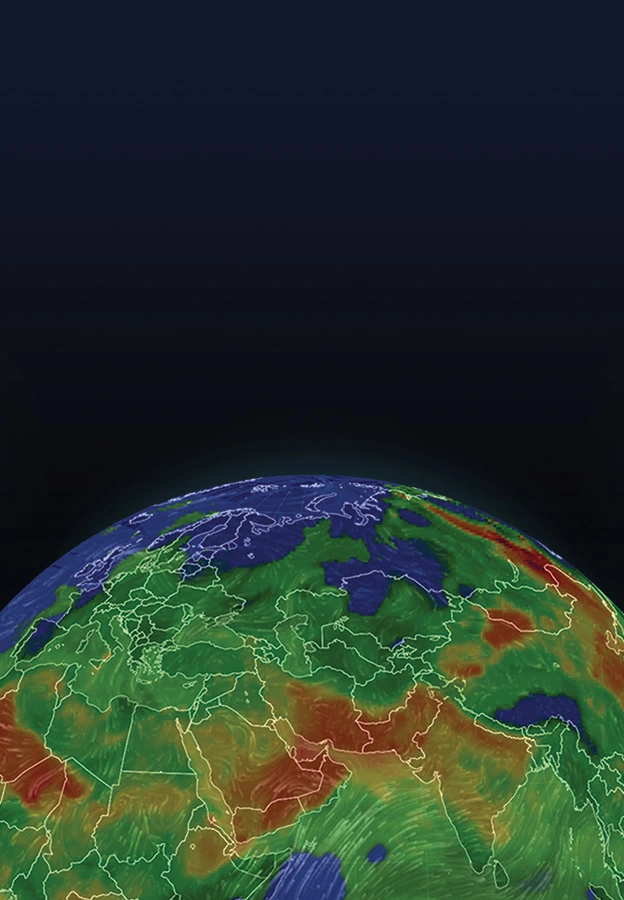

Learn more about global air quality


Learn more about air pollution in Mississauga
Is Mississauga a city with a good quality of air?
Mississauga is a city located in Ontario, one of the thirteen provinces of Canada and the most populous of them all, with the city itself also being home to some 721 thousand people as of 2016. It is a city that is undergoing some rapid economic growth, coupled with the growth of its population along with further infrastructure. This can be it part attributed to its short distance from Toronto, becoming a lively business and economic hub that grew throughout the last few decades and continues on until today. As a result, whilst it still maintains a very good quality of air, much like many cities in Canada, there are slightly higher readings as a result of these activities, which is an inevitability due to many different factors, some of which will be discussed in further detail.
Over the course of 2019, Mississauga came in with a PM2.5 reading of 6.9 μg/m³ as its yearly average. This is a very respectable reading when compared to many cities throughout the world, due to Canada’s propensity towards having a large number of cities with a great quality of air. This reading of 6.9 μg/m³ placed it into the World Health Organizations (WHO's) target goal for great air quality at 10 μg/m³ or under, a coveted rating to achieve and an indicator that whilst there may be months where the PM2.5 levels rise somewhat, overall, Mississauga has air that is very safe for its inhabitants to breathe. This reading also placed it in 3830th place out of all cities ranked worldwide, as well as 73rd place out of all cities ranked in Canada.
What are some contributing causes to pollution in Mississauga?
With a growing population and infrastructure, Mississauga would be subject to the same pollutive sources that cause problems throughout the world, but with the added bonus of having not only good preventative measures in place (in regards to reducing air pollution) but suitable meteorological conditions that can assist in the dispersal of accumulated pollutants. However, one of the causes would be the ever prevalent automobiles, with their presence around the world as one of the leading causes of year round ambient pollution. With a well connected series of roads with other major cities and provinces in Canada, there would also be a large amount of bigger vehicles inhabiting the roads, which often put out far more pollution than smaller, personal vehicles do, as well as running on diesel fuel more often than not, another compounding factor.
Other causes of pollution would be naturally occurring ones such as the occasional wildfire that can happen outside a city’s limits, with strong winds blowing the smoke over to nearby cities and causing a spike in PM2.5 readings. These are a rarer occurrence however, and more consistent ones seen with a city experiencing further growth and population increases include particulate matter and industrial effluence from factories, power plants and other such facilities, as well as construction sites also having their part to play.
When is Mississauga’s air at its most polluted?
With data available over the course of 2019, with concise measurements and recordings, it can be observed as to when the pollution levels rose higher than what was normal for the rest of the year. Due to the cleanliness of the overall air quality, it is slightly harder than other cities to get a clear cut picture of when pollution levels get out of control, but there are still periods where they are slightly higher nevertheless.
Around the month of November is when a significant jump in pollution levels was seen, with the previous month of October coming in at a respectable reading of 4.5 μg/m³. This was followed by a reading of 8.7 μg/m³ in November, nearly double the amount of the previous month and indicative that a change had taken place in the air quality levels. This continued on into December, with a reading of 8.6 μg/m³. The early months of the year also showed very slight elevations, although they were subject to fluctuations between higher and lower numbers. January, June and July all came in with PM2.5 readings of 7.4 μg/m³, 7.4 μg/m³ and 8.3 μg/m³ respectively, with the months in between dropping in their readings slightly. This shows that the months of November and December were the most polluted out of the entire year, with November being the highest at 8.7 μg/m³.
When is the air quality in Mississauga at its cleanest?
Following on from the previous question, as stated there were fluctuations between pollution levels, essentially moving from ‘slightly more polluted’ to ‘slightly less polluted’, a hint that the entire year was still essentially clean and with a good quality of air. However, there were several months that stood out as falling into the slightly less polluted category. These were April, May, August, September and October, which all came in with PM2.5 readings of 6.2 μg/m³, 6.1 μg/m³, 5.9 μg/m³, 6.4 μg/m³ and 4.5 μg/m³ respectively. This made October the cleanest month out of the year for 2019 at 4.5 μg/m³.
What are some of the pollutants found in the atmosphere within Mississauga?
The main pollutants in the air within Mississauga would be ones related to all the sources mentioned earlier, with automobiles having a whole host of different types of pollution that they can put out into the atmosphere. Among these are lesser recognized ones, which besides emanating from the exhaust and engine, parts such as the wheels can also be offending sources, particularly among the more sizeable and heavy duty vehicles such as trucks and lorries, as well as buses. Vast amounts of finely ground rubber particles have been estimated to have entered the environment throughout the country, and this holds true for Mississauga. These can have an effect on the environment and ecosystem as well as the health of those who inhale them.
Other pollutants include nitrogen dioxide (NO2) and sulfur dioxide (SO2), as well as black carbon, the main component of soot and a potent carcinogen when inhaled.