

Pak Chong air quality map
Live air pollution map of Pak Chong • 698.8K Followers • 14:00, Oct 09 Local time




Stations
Clean Air Facilities
Contributors

Government
0
Diplomatic
0
Non-profit
0
Education
0
Corporate
1
Healthcare
1
Hospitality
0
Individual
4Top contributors in Pak Chong
Who is sharing outdoor air quality data in Pak Chong?
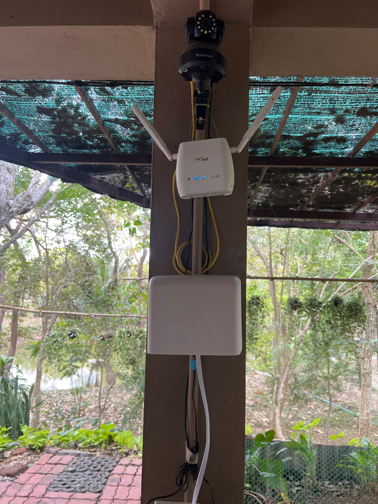
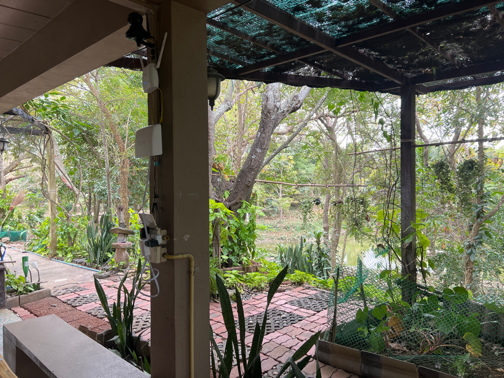
Featured station
Discover some of the best station installation in Pak Chong
Station gallery

Yudeemeesuk Farm, Pak Chong
58
Newest stations deployed in Pak Chong
AQI⁺ station ranking



Learn more about global air quality


Learn more about air pollution in Pak Chong
Is air pollution present throughout Pak Chong?
Like many other cities, towns and regions throughout Thailand, Pak Chong is ultimately subject to the same pollutive issues that cause these cities to rank so highly on the global index, with many of them coming in within the top thousand most polluted cities worldwide. Pak Chong experiences differing levels of air pollution, with some months having extremely high concentrations of smoke, haze and other air contaminants present, as per the readings from years past, as well as also having other months whereby the air cleanliness levels start to show significant improvements. It has a few extremes in these regards, with some months of the year (which will be discussed in further detail at the end of the article) coming in with readings that would cause health issues for many members of the population, in particular affecting those that belong to vulnerable or at-risk demographics. These groups include young children and babies, as well as pregnant mothers, the elderly, those with compromised immune systems as well as those who have pre-existing health conditions.
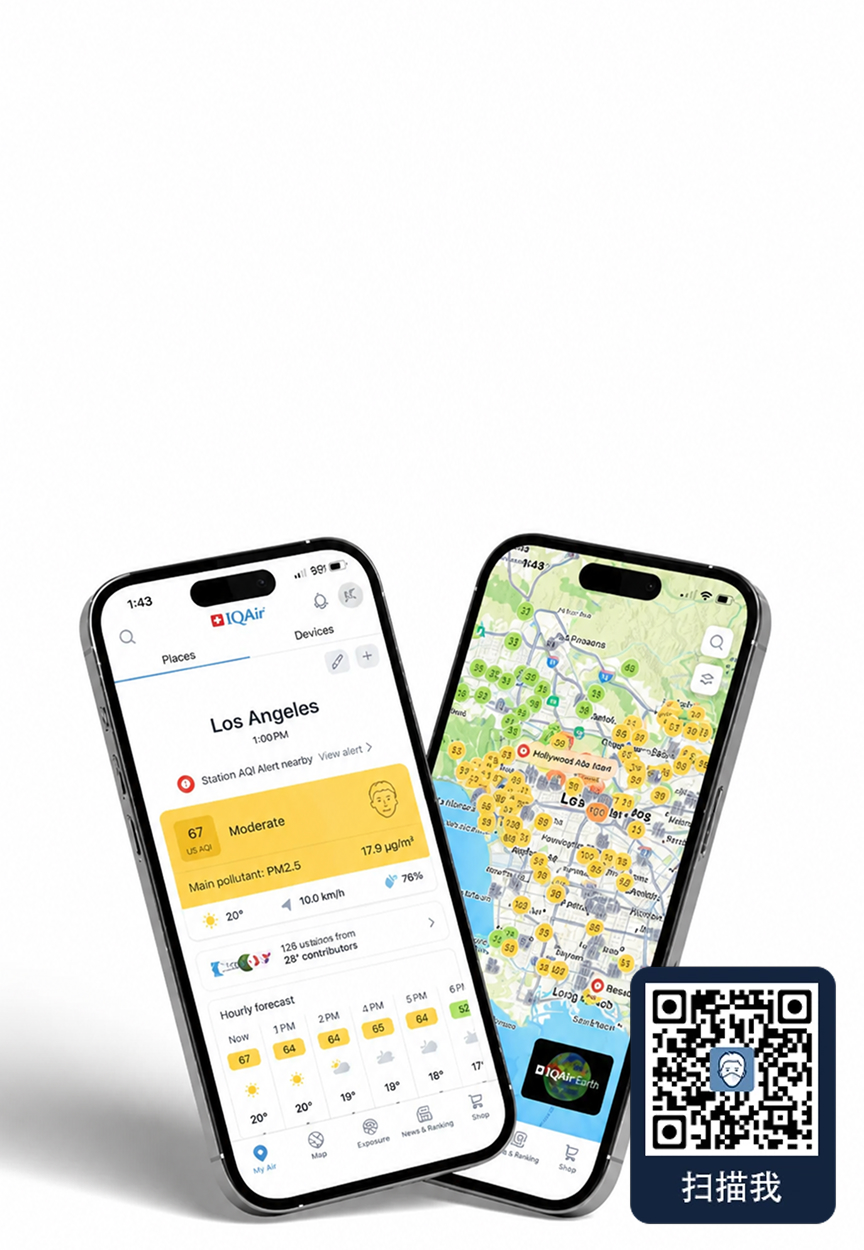
Observing some air quality readings taken in early October of 2021, a US AQI figure of 49 was taken, placing Pak Chong just within the 'good' air quality rating bracket, color-coded as green and requiring a US AQI reading of 0 to 50 to be classified as such. the subsequent PM2.5 reading taken at the same time was found to be at a concentration of 12 μg/m³, making it slightly over the World Health Organization's (WHO's) exposure recommendation but still within ‘safer’ or less damaging levels. Other readings that were taken over the latter part of 2021 include figures of 52 and 60, both of which went over the 'good' rating bracket and up into the next category, that of the 'moderate' ranking. This is color-coded as yellow and requires a reading of 51 to 60 to be classified as such. Despite these slightly higher readings, Pak Chong as a whole remained within good levels of air quality over the whole of September and early October. If past patterns are anything to go by, however, it will be most likely that Pak Chong will see further elevations towards the very end of the year, as well as higher PM2.5 and US AQI readings in the early months of the following year. Preventative measures can be carried out during such period of time in which the pollution level goes up by any significant measure, and these include the wearing of fine particle filtering masks, avoiding outdoor activity (particularly strenuous ones such as exercising), as well as sealing doors and windows to avoid indoor air pollution levels from rising. Indoor air purifiers can be run as well, if they are available, as they can aid greatly in improving household or business space air cleanliness levels. Pollution spikes can be monitored via this page and the AirVisual app, with hourly updates being made to ensure that the best level of air pollution monitoring is delivered to users.
What are the most prominent causes of pollution in Pak Chong?
Whilst the issue of open burning does not affect Pak Chong as prominently as other towns and cities in Thailand, particularly those of the northern region or ones closest to Myanmar, it still displays elevations in its pollution levels during months that are known to be affected by slash and burn practices. Besides this being a contributing factor, other main sources that aid in raising the pollution level in Pak Chong throughout the year include emissions from vehicles, with daily rush hours giving out many tons of hazardous particles and chemical compounds that come about from the result of the combustion process taking place within their engine. Other sources of air pollution include dust from road repairs, demolition or construction sites, as well as emissions from factories and power plants all adding to the pollution collective, with all of the above-mentioned sources being the more prominent causes of heightened air pollution levels in Pak Chong.
What other pollutants and air contaminants can be found in the atmosphere in Pak Chong?
The main pollutants that are referenced are those that go into making up the US AQI aggregate, which is calculated by the volume of these pollutants and their prevalence in the atmosphere. These include chemical compounds such as nitrogen dioxide, sulfur dioxide, ozone, carbon monoxide and the two main forms of particle pollution, PM2.5 and PM10. Out of these PM2.5 remains as the more dangerous of the two, constituting any material that is 2.5 micrometers or less in diameter (with these particles ranging from several extremely dangerous materials such as metals, bacteria and mold spores, nitrates, sulfates and a variety of liquid-vapor droplets, along with ultrafine dust, which can cause scarring to the lung tissue when inhaled along with some of them being carcinogenic). Other pollutants found in the air are ones such as black carbon and volatile organic compounds (VOCs), both of which are released prominently by the combustion of organic material as well as fossil fuels. Some examples of VOCs are benzene, which is known to be highly carcinogenic, as well as styrene, methylene chloride, toluene, xylene and formaldehyde. VOCs can also make up a large portion of indoor air pollution levels, with many household items (particularly toiletries) releasing them steadily into the air. Air fresheners, paints, glues and varnishes can all release them, along with other innocuous items such as scented candles.
What time of year does Pak Chong have the most hazardous air pollution levels?
Taking the data from 2020 as a reference point, it can be seen that Pak Chong had its highest pollution readings in the early months of the year, with clear elevations also beginning towards the end of the year, indicating a pattern whereby pollution levels start to rise in the latter months and then continue into the early months of the following year. Pak Chong had its most polluted readings take place in February and March, with readings of 38 μg/m³ and 37.4 μg/m³ respectively, placing them both into the 'unhealthy for sensitive groups' bracket, the only months of the year to do so.
When is the air safer to breathe in Pak Chong?
Air quality showed a marked improvement in the mid to late months of the year, considerably more so than other cities or towns, which often see 'moderate' pollution readings throughout much of the year. The months of June through to October all came in with respectable readings, with June through to September all falling within the WHO's target goal of 10 μg/m³ or less, and October achieving a 'good' air quality reading at 10.7 μg/m³.